
Our Services
At T-Liberty Engineering, we provide a wide range of engineering services designed to meet industry standards and client expectations. Our expertise spans across various fields, ensuring quality, efficiency, and reliability in all projects we handle.

Mechanical Engineering
At T-Liberty Engineering, our mechanical services comprise design, development, installation, and maintenance of mechanical systems, ensuring efficient and reliable performance.
Scope of Services
- Mechanical system design and simulation
- CAD/CAM/CAE services
- Machine design and fabrication
- Mechanical testing and inspection
- Plant layout and piping design
- HVAC (heating, ventilation and air conditioning) systems
- Fluid mechanics and piping systems
- Robotics and automation
- Vibration analysis and condition monitoring
- Energy auditing and efficiency improvement
Professionals Providing Services
- Licensed electrical engineers
- Certified electricians
- Electrical contractors
- Electrical consultants
Application
Automative and transportation, power generation and distribution, Oil and Gas, Chemical Processing, Manufacturing and production, Construction and infrastructure, HVAC and building services, Consumer Products.
Benefits
- Improved efficiency and productivity
- Enhanced system reliability and uptime
- Reduced energy consumption and costs
- Increased safety and compliance
- Innovative solutions and product development
Specialization
- Mechanical design and analysis
- Thermal engineering
- Fluid dynamics
- Structural analysis
- Materials science and selection
Software Used
- Autodesk Inventor
- SolidWorks
- ANSYS
- CATIA
- MATLAB

Electrical Engineering
Our services encompass the design, installation, testing, and maintenance of electrical systems, ensuring safe and efficient transmission, distribution, and utilization of electrical energy.
Scope of Services
- Power generation and distribution
- Electrical system design and installation
- Industrial automation and control
- Lighting systems (interior and exterior)
- Electrical safety inspections and audits
- Energy efficiency solutions
- Renewable energy system (solar, wind, etc)
- Electrical testing and commissioning
- Fault detection and repair
- Electrical infrastructure upgrade and maintenance
Application
Residential and commercial building, Industrial plants and factories, Infrastructure Project ( roads, bridges, airports), Healthcare facilities, Data centers and I.T infrastructure, Renewable energy projects.
Benefits
- Energy efficiency and cost savings
- Improved safety and reliability
- Increased productivity and uptime
- Compliance with regulatory standards
- Enhance system performance and lifespan
Professionals Providing Services
- Licensed mechanical engineers
- Mechanical designers and drafters
- Mechanical contractors
- Consulting Engineers
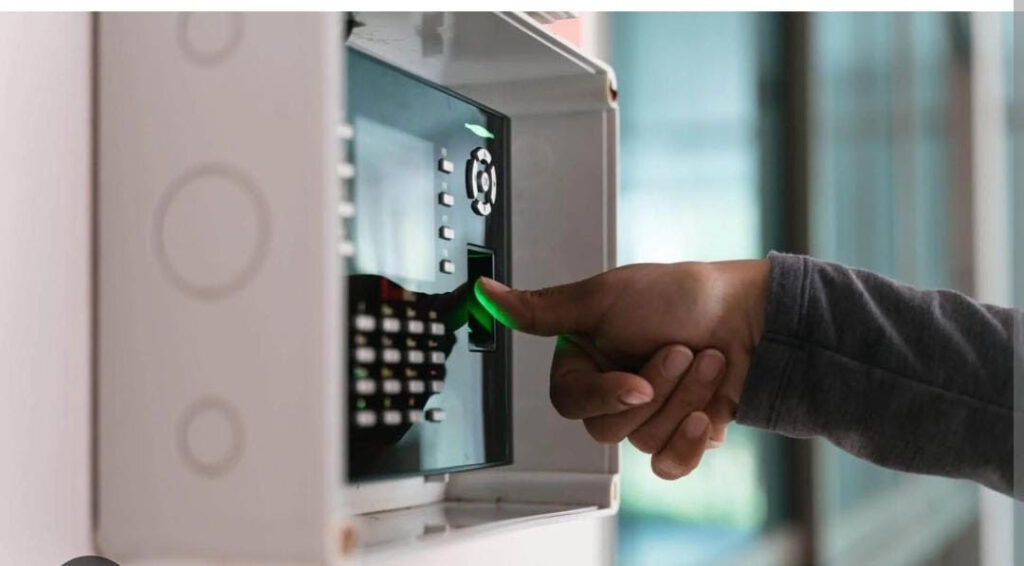
Biometric Access Control
Biometric access control is a security system that uses unique biological characteristics of a person to verify identity before granting access to a location, device, or system.
Scope of Biometric Access Control
The scope of biometric access control covers the design, implementation, operation, and maintenance of systems that use human biological characteristics for identification and authentication.
It includes:
Identity enrollment and database management
Access permission configuration and monitoring
Integration with security systems (CCTV, alarms, time attendance)
Hardware installation (readers, locks, controllers)
Software management and reporting
Cybersecurity and data protection
System maintenance and upgrades
The technology is expanding rapidly due to increasing demand for secure and automated identification systems.
Benefits of Biometric Access Control
High Security
Biometric traits are unique and difficult to duplicate.
Convenience
No need for passwords, keys, or ID cards.
Accountability
Accurate identification prevents impersonation or “buddy punching.”
Speed and Efficiency
Quick authentication saves time in workplaces and secure facilities.
Improved Attendance Management
Automated time tracking reduces payroll fraud.
Cost Savings (Long Term)
Eliminates cost of replacing lost cards or resetting passwords.
Access Control Customization
Different access levels can be assigned to different users.
Specializations in Biometric Access Control
- Professionals in this field may specialize in:
Biometric System Engineering — Design and integration of biometric technologies.
Security Systems Installation — Hardware installation and configuration.
Cybersecurity & Data Protection — Protecting biometric data from breaches.
Software Development — Creating biometric recognition algorithms and applications.
Network Integration — Linking access control with IT infrastructure.
Forensic Biometrics — Use in criminal identification and investigations.
AI & Machine Learning — Improving recognition accuracy and performance.
Applications of Biometric Access Control
- Biometric systems are used across many sectors:
Corporate & Industrial
Office access control
Staff attendance systems
Restricted production areas
Government & Security
National ID programs
Border control and immigration
Military facilities
Law enforcement databases
Healthcare
Patient identification
Restricted access to medical records
Drug storage security
Education
Student attendance tracking
Exam verification
Campus security
Banking & Finance
ATM authentication
Secure vault access
Mobile banking verification
Residential & Commercial Buildings
Smart homes
Apartment complexes
Hotels and hospitality
Transportation
Airport passenger verification
Driver authentication systems

AUTOMATION ENGINEERING
Our Automation services involve designing, implementing, and integrating technologies to automate and optimize industrial processes, increasing efficiency, productivity, and reliability.
Scope of Services
- Process Automation
- Industrial Control System (ICS)
- Programmable Logic Controllers (PLC)
- Supervisory Control and Data Acquisition ( SCADA)
- Human-Machine Interfaces (HMI)
- Robotics and Machine Vision
- Motion Control and Drives
- Energy Management and Monitoring
- Network and Communication Systems
- Cybersecurity Solutions
Application
- Manufacturing and Production
- Oil and Gas
- Chemical Processing
- Power Generation and Distribution
- Water and Wastewater Treatment
- Food and Beverage Processing•Pharmaceuticals and Life Sciences
- Automotive and Aerospace
- Logistics and Material Handling
- Building Automation and Smart Cities
Benefits
- Increased Efficiency and Productivity
- Improved Accuracy and Quality
- Reduced Labor Costs and Errors
- Enhanced Safety and Security
- Real-time Monitoring and Control
- Data-Driven Decision Making
- Reduced Energy Consumption
- Competitive Advantage
Professionals Providing Services
- Automation Engineers
- Control Systems Engineers
- Robotics Engineers
- Electrical Engineers
- Software Developers
- Systems Integrators
- Commissioning Engineers
Technologies Used
- PLCs (Allen-Bradley, Siemens, etc.)
- SCADA (Wonderware, Cimplicity, etc.)
- HMI (Rockwell, Schneider, etc.)
- Robotics (FANUC, KUKA, etc.)
- IoT (Internet of Things) Devices
- Cloud Computing (AWS, Azure, etc.)
- Artificial Intelligence (AI) and Machine Learning (ML)
- Cybersecurity Software (Firewalls, VPNs, etc.
By leveraging automation engineering services, we streamline operations, improve performance, and stay competitive in today’s fast-paced industrial landscape.

PIPING SERVICES
Our services encompass the design, installation, testing, and maintenance of piping systems for various industries, ensuring safe and efficient transportation of fluids, gases, and liquids.
Scope of Services
Design & Engineering:
- Piping layout and routing
- Material selection and specification
- Stress analysis and simulation
- Pipe sizing and hydraulic calculations
- P&ID (Piping and Instrumentation Diagram) development
Installation & Construction:
- Pipe fabrication and installation
- Welding and joining techniques
- Piping system assembly and testing
- Leak detection and repair
- Insulation and coating applications
Testing & Commissioning:
- Hydrostatic testing
- Pneumatic testing
- Leak testing
- Functional testing
- System commissioning and startup
Maintenance & Repair:
- Routine maintenance and inspections
- Pipe repair and replacement
- Corrosion control and mitigation
- Pipe cleaning and pigging
- Emergency response & shutdown services
Application
- Oil and Gas
- Chemical Processing
- Power Generation
- Water and Wastewater Treatment
- Food and Beverage Processing
- Pharmaceuticals and Life Sciences
- Automotive and Aerospace
- HVAC and Building Services
Benefits
- Improved system efficiency and reliability
- Enhanced safety and compliance
- Reduced maintenance and downtime
- Increased productivity and throughput
- Extended system lifespan
Professionals Providing Services
- Piping Engineers
- Pipefitters and Welders
- Inspectors and Testers
- Project Managers
- Maintenance Technicians
Software Used
- AutoCAD
- CADWorx
- CAESAR II
- PV Elite
- SP3D
Industry Standards
- ASME B31.1 (Power Piping)
- ASME B31 (Process Piping)
- API 650 (Storage Tanks)
- API 1104 (Welding Pipelines)
- OSHA Regulations
By utilizing piping services, industries can ensure the safe, efficient, and reliable transportation of fluids, gases, and liquids, minimizing downtime and maximizing productivity.

PROJECT MANAGEMENT
Our Project Management services focus on planning, organizing, securing, managing, and controlling resources to achieve specific project goals and objectives.
Scope of Services
- Project Planning and Scheduling
- Scope & Requirement Gathering
- Schedule Development & Management
- Budgeting and Cost Management
- Risk Management and Mitigation
- Quality Assurance and Control
- Resource Allocation and Management
- Communication and Stakeholder Management
- Procurement & Contract Management
- Monitoring and Control
Methodologies
- Agile
- Waterfall
- Hybrid
- Scrum
- Kanban
- Lean
- PRINCE2
- PMBOK
Application
- Construction and Infrastructure
- IT and Software Development
- Manufacturing and Production
- Oil and Gas
- Renewable Energy
- Finance and Banking
- Government and Public Sector
Benefits
- Improved Project Timelines
- Enhanced Quality and Reliability
- Reduced Costs and Risks
- Increased Customer Satisfaction
- Better Resource Utilization
- Improved Communication and Collaboration
- Enhanced Decision-Making
- Increased Competitiveness
Professionals Providing Services
- Project Managers
- Program Managers
- Portfolio Managers
- Scrum Masters
- Agile Coaches
- Business Analysts
- Risk Management Specialists
Software Used
- Asana
- Trello
- MS Project
- Jira
- Basecamp
- Smartsheet
- Primavera P6
- SAP
By Leveraging Project Management Services, We:
- Achieve project goals and objectives
- Improve efficiency and productivity
- Reduce risks and costs
- Enhance customer satisfaction
- Gain competitive advantage

PROCUREMENT
Procurement services encompass various activities involved in acquiring goods, works, or services from external sources.
Scope of Services
- Strategic Sourcing
- Supply Chain Management
- Contract Management
- Purchasing
- Logistics and Distribution
- Inventory Management
- Vendor Management
- Tendering and Bidding
- Category Management
- Spend Analysis
Process
- Needs Assessment
- Specifications Development
- Request for Information (RFI)
- Request for Proposal (RFP)
- Request for Quotation (RFQ)
- Evaluation and Selection
- Contract Negotiation
- Contract Award
- Contract Management
- Delivery and Quality Control
Benefits
- Cost Savings
- Improved Efficiency
- Enhanced Quality
- Reduced Risk
- Increased Transparency
- Better Supplier Relationships
- Improved Compliance
- Data-Driven Decision Making

CCTV SERVICES
CCTV services encompass various activities to design, install, maintain, and monitor video surveillance systems.
Services
- System Design: Customized CCTV system design for residential, commercial, or industrial properties.
- Installation: Professional installation of cameras, recorders, and accessories.
- Maintenance: Regular maintenance, repairs, and upgrades.
- Monitoring: Remote monitoring, alarm response, and video analytics.
- Upgrade/Replacement: Upgrading or replacing outdated or non-compliant systems.
Types of CCTV Systems
- Analog CCTV
- IP (Internet Protocol) CCTV
- HD (High Definition) CCTV
- Mega-Pixel CCTV
- Wireless CCTV
CCTV Components
- Cameras (Fixed, PTZ, Dome, Bullet)
- Digital Video Recorders (DVRs)
- Network Video Recorders (NVRs)
- Monitors
- Storage Devices (HDD, SSD)
- Power Supplies
- Cables and Accessories
Applications
- Security and Surveillance
- Crime Prevention and Investigation
- Employee Monitoring
- Customer Monitoring
- Traffic Monitoring
- Access Control
- Intrusion Detection
Benefits
- Enhanced Security
- Deterrent to Crime
- Improved Safety
- Increased Productivity
- Better Customer Service
- Reduced Liability
- Real-Time Monitoring

FIRE ALARM SYSTEM
Fire alarm systems detect and alert people to potential fires, providing crucial seconds for evacuation and firefighting.
Components
- Sensors (Smoke, Heat, Flame Detectors)
- Control Panels
- Alarm Devices (Sirens, Strobes, Horns)
- Initiating Devices (Manual Pull Stations, Automatic Detectors)
- Notification Appliances (LED Signs, Voice Alarms)
- Power Supplies (Battery Backup, UPS)
Functions
- Detection: Identifies potential fires
- Alarm: Alerts occupants & authorities
- Notification: Informs emergency services
- Evacuation: Facilitates safe exit
- Suppression: Activates fire suppression systems (e.g., sprinklers)
Standards & Regulations
- NFPA 72 (National Fire Alarm and Signaling Code)
- International Fire Code (IFC)
- Local and National Regulations
Types of Fire Alarm Systems
- Conventional Fire Alarm Systems
- Addressable Fire Alarm Systems
- Intelligent Fire Alarm Systems
- Wireless Fire Alarm Systems
- Hybrid Systems (Combination of Above)
Benefits
- Life Safety
- Property Protection
- Compliance with Regulations
- Reduced Insurance Costs
- Early Detection and Response
Installation & Maintenance
- System Design and Installation
- Regular Inspections and Testing
- Maintenance and Repair
- Annual Certification

FIRE HYDRANT SERVICES
Fire hydrant services encompass various activities to ensure fire hydrants are functional, accessible, and compliant with regulations.
Services
- Installation: Installing new fire hydrants, including excavation, piping, and connection to water mains.
- Inspection: Regular inspections to ensure hydrants are:•Easily Accessible•Clearly Marked•Free from Damage or Obstructions•Functioning Properly
- Testing: Annual or bi-annual flow testing to verify:•Water Pressure•Flow Rate•Hydrant Performance
- Maintenance: Routine maintenance, including:•Cleaning and Flushing•Painting and Coating•Repairing or Replacing Damaged Parts
- Repair: Emergency and non-emergency repairs, such as:•Leaks•Valve Issues•Damage from Accidents or Vandalism
- Upgrade/Replacement: Upgrading or replacing outdated or non-compliant hydrants.
Benefits
- Ensures Public Safety
- Complies with Regulations
- Reduces Liability
- Maintains Property Value
- Supports Fire Department Operations
Equipment & Tools
- Hydrant Testing Equipment (e.g., Flow Meters)
- Inspection Cameras
- Maintenance Tools (e.g., Wrenches, Valves)
- Painting and Coating Materials
- Repair Parts (e.g., Valves, Couplings)

Civil Engineering
Civil engineering is one of the oldest and most important branches of engineering. It focuses on the design, construction, operation and maintenance of infrastructure that supports daily human activities. Civil engineers work on projects such as roads, bridges, buildings, water supply systems, dams, airports, railways and environmental protection systems, ensuring safety, sustainability and efficiency in the built environment.
Scope of Service
Civil engineering covers a wide range of services including:
Planning and feasibility
Design and analysis
Construction management
Maintenance and rehabilitation
Consultancy and advisory services
Professional Providing Service
Civil engineering projects involve collaboration among various professionals including:
Structural Engineers
Geotechnical Engineers
Transportation Engineers
Environmental Engineers
Construction Managers
Surveyors
Urban and Regional Planners
Applications
Civil engineering plays a vital role in many areas including:
Transportation infrastructure
Water resources management
Building construction
Environmental protection
Energy infrastructure
Urban development
Benefits
Improved quality of life: Provides essential infrastructure such as roads, water supply and housing.
Economic development: Supports business growth and trade through efficient transportation and utilities.
Public safety: Ensures structures are safe and durable.
Disaster mitigation: Helps reduce risks from floods, earthquakes and other natural disasters.
SPECIALIZATION
Designs and analysis of building, bridges and tower, study of soil and foundation systems, planning and design of transportation networks, management of water supply, irrigation and flood control, pollution control and sustainable development, project planning, cost control and construction supervision.